

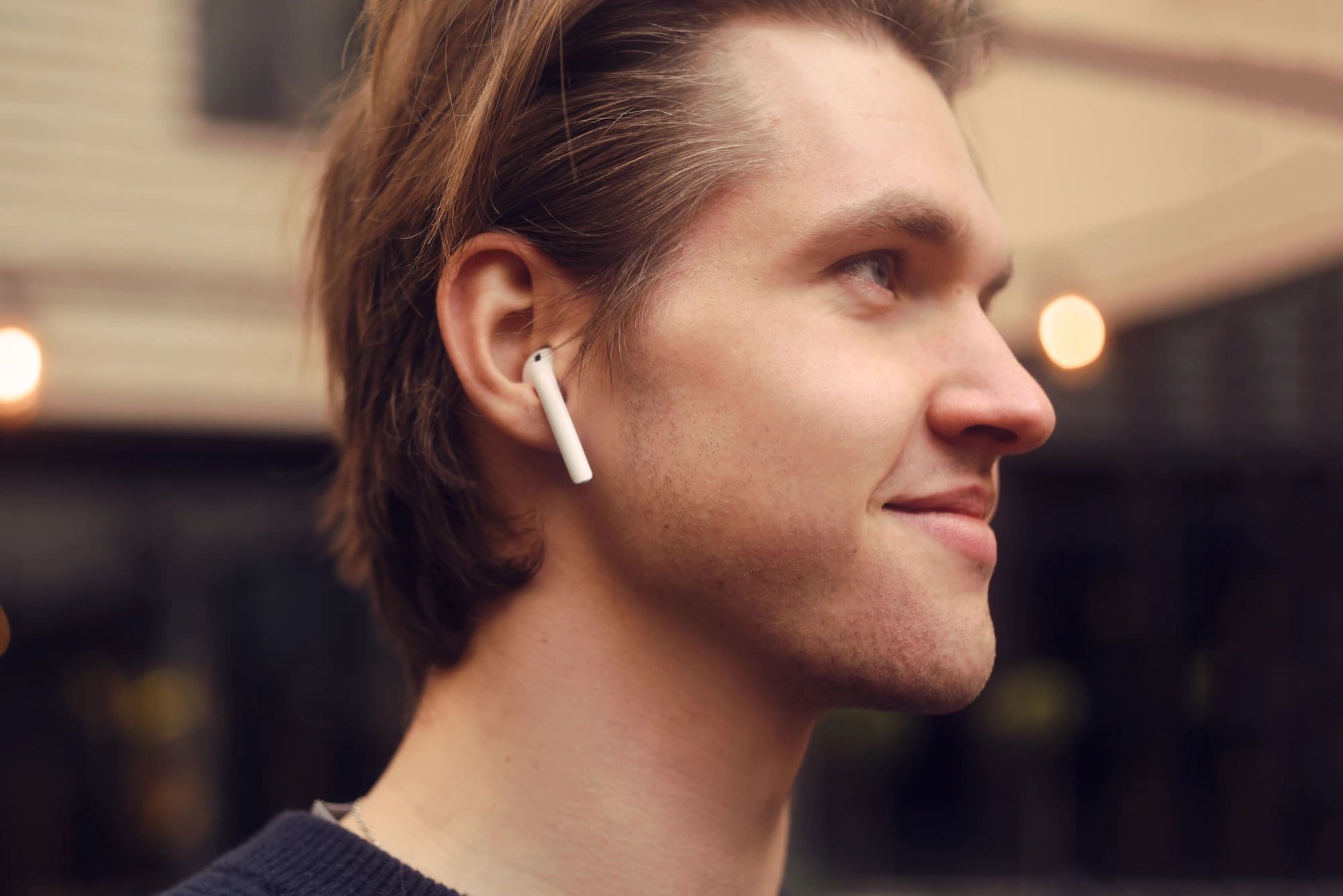
Your AirPods Are Hiding a Cracked Tooth: Why “Silent” Dental Damage Is on the Rise
Constant earbud use and heads-down focus during calls, gaming, or work may be masking a habit that’s quietly damaging your teeth. If a tooth suddenly cracks with no obvious cause, searching “emergency dentist near me” is often the first step. However, understanding what actually led to it can help prevent it from happening again.
A look at the dental services available for exactly this kind of unexpected damage shows what that first visit typically involves.

Why This Kind of Damage Sneaks Up on People
Clenching and grinding often happen unconsciously, especially during focused tasks like calls, gaming, or scrolling with earbuds in.
Unlike a sports injury, there’s no single obvious moment of impact, so patients are genuinely caught off guard when a tooth suddenly cracks out of nowhere. This is exactly the kind of pattern a routine dental exam is designed to catch early, often before a patient even realizes anything is wrong.
The Real Connection Between Focus, Earbuds, and Jaw Tension
A few contributing factors explain why this pattern keeps showing up:
- Prolonged concentration during calls, gaming, or work tends to increase unconscious jaw clenching
- Earbuds can mask the sound of grinding, making the habit harder to notice
- Extended screen time often correlates with poor posture, which can affect jaw alignment and muscle tension
- Stress and multitasking, common during heavy device use, are known triggers for clenching
According to MouthHealthy, the American Dental Association’s patient resource, dentists are increasingly noticing signs of teeth grinding and clenching in patients, often showing up as chipped or worn teeth.
The Cleveland Clinic also notes that jaw clenching often shows up specifically during moments of intense concentration, which lines up closely with the kind of focused device use so many people experience daily.
Why a Cracked Tooth Can Feel “Sudden” Even Though It Isn’t
Repeated, low-level pressure from clenching can weaken a tooth over weeks or months before it finally cracks under completely normal biting force. This is why patients often describe the moment of cracking as random or unprovoked, when in reality it was the final straw after ongoing stress on the tooth.
Recognizing these patterns during a routine visit can help catch the underlying issue before it reaches that breaking point.
What to Do If You Notice the Warning Signs
Jaw soreness, headaches, or tooth sensitivity after long device sessions are worth mentioning before a crack happens. If a tooth does crack unexpectedly, prompt care matters even if the pain seems to come and go, and restorative treatments are often available to repair the damage and protect the tooth going forward.
Frequently Asked Questions
Can earbuds actually cause a cracked tooth?
Not directly. The connection is to the clenching and jaw-tension habits that often accompany focused device use, not to the earbuds themselves.
How do I know if I’m clenching without realizing it?
Jaw soreness, headaches, or tooth sensitivity after long focus sessions are common signs worth paying attention to.
Is a cracked tooth always an emergency?
It depends on severity, but pain, sensitivity, or a visible crack should be evaluated promptly rather than left untreated.

Sudden Tooth Pain? Find an Emergency Dentist Near Me Today
At Cincinnati Bright Smiles, we know that a tooth that cracks “out of nowhere” usually has a story behind it, and prompt care can make all the difference. Contact us today to schedule an evaluation.

